

Lettura in inglese con esercizi: A Storm That Changed Literature - The Birth of Frankenstein
Destinatari: studenti di scuola secondaria di secondo grado, livello B2
Sintesi del contenuto
- Il testo narra le origini di Frankenstein di Mary Shelley, ambientato nella Villa Diodati nell’estate del 1816.
- Vengono presentati i protagonisti storici e gli eventi meteorologici straordinari che portarono alla creazione del romanzo.
- Gli studenti ripercorrono le tappe che hanno reso Frankenstein un’opera rivoluzionaria della letteratura inglese.
Obiettivi didattici e benefici per gli studenti
- Sviluppare abilità di lettura estensiva e comprensione scritta in lingua inglese a livello B2.
- Arricchire il lessico, anche grazie a un glossario specifico, e potenziare le competenze morfosintattiche (esercizi sul passivo).
- Stimolare il pensiero critico riflettendo su tematiche attuali come l’etica scientifica e l’esclusione sociale.
Come utilizzare la risorsa in classe
- Lettura guidata in classe con discussione sui temi principali e sui personaggi.
- Svolgimento individuale o a gruppi degli esercizi di comprensione, lessico e grammatica (soluzione autonoma o correzione collettiva).
- Attività di approfondimento interdisciplinare, collegando letteratura, storia e attualità scientifica.
__________
In the summer of 1816, a group of young writers gathered at the Villa Diodati on the shores of Lake Geneva in Switzerland. Among them were the poet Lord Byron, his friend and personal doctor John Polidori, the poet Percy Bysshe Shelley, and his young partner, eighteen-year-old Mary Godwin. None of them knew that the weeks they spent together that summer would produce one of the most enduring(1) works in the history of English literature.
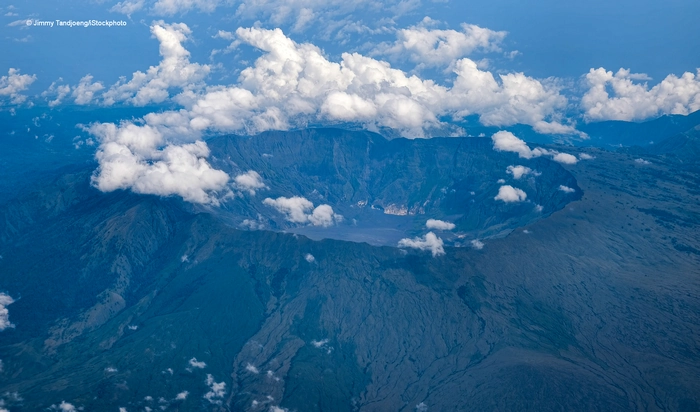
The summer of 1816 was no ordinary summer. Twelve months earlier, the massive eruption of Mount Tambora on the Indonesian island of Sumbawa had thrown enormous quantities of ash and dust into the atmosphere. The result was a dramatic drop in temperatures across the Northern Hemisphere, a phenomenon now known as the ‘Year Without a Summer.’ Crops(2) failed across Europe, skies remained dark and grey for weeks, and unusual storms swept across the continent.
Trapped indoors by the cold and rain, Byron suggested a competition: each member of the group would write a ghost story. Mary struggled at first to find an idea. She later recalled that she lay awake one night, unable to sleep, when a terrifying vision came to her: a scientist kneeling beside a creature he had built and brought to life: a creature that had opened its pale, yellow eyes.
That vision became the starting point for Frankenstein, or The Modern Prometheus, published in January 1818. The novel tells the story of Victor Frankenstein, a brilliant but reckless(3) young scientist who uses scientific knowledge to create life, only to be horrified by what he has made and abandon it. Left alone and without guidance, the creature gradually learns to speak and read, but is rejected by every human being it meets. Driven by grief and isolation, it eventually turns violent, not from innate evil but from despair.
What makes the novel so remarkable is not simply its horror. Mary Shelley was asking questions that still matter today: What are the limits of scientific ambition? Who is responsible for the consequences of a discovery? Is a creature shaped entirely by rejection capable of good? Some literary scholars consider Frankenstein the first true work of science fiction.
Mary Shelley published the novel anonymously, partly because female authorship was not taken seriously at the time. When the book’s true author was revealed, many readers were astonished(4) that a woman barely out of her teens had written it. Today, she is recognised as one of the most important writers of the nineteenth century.
Glossary
1 enduring: duraturo, destinato a durare nel tempo
2 Crops: i raccolti, le messe (agricultural produce)
3 reckless: sconsiderato, avventato
4 astonished: stupito, sbalordito
(by Oliver Wood)